
Adenomyosis and pregnancy: An invisible barrier on the path to parenthood — Adenomyosis silently disrupts your dreams of a smooth pregnancy!
Adenomyosis is a common yet often misunderstood uterine condition that affects up to 1 in 5 women of reproductive age. While often confused with endometriosis, adenomyosis is a distinct condition that can impact fertility and pregnancy outcomes.
In this blog, we’ll understand adenomyosis and pregnancy, its effects on fertility, and available treatments that help women seek timely medical support!
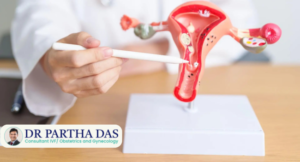
Adenomyosis occurs when the inner lining of the uterus (endometrial tissue) grows into the uterine muscle wall. This abnormal growth causes the uterus to become enlarged, leading to severe cramps, heavy bleeding, bloating, and pain during intercourse.
Although it’s a benign (non-cancerous) condition, it can have a significant impact on reproductive health. Many women first discover it when they face challenges in conceiving or during fertility evaluations.
When discussing adenomyosis and infertility, it’s essential to understand how the condition disrupts the normal reproductive process.
The uterine wall thickening and inflammation can interfere with:
Adenomyosis increases miscarriage risks and reduces IVF implantation rates. Dr. Partha Das, Consultant in Reproductive Endocrinology and Infertility at Orchid Fertility, Dubai, has helped countless women overcome fertility challenges caused by adenomyosis.
The most common question women ask is, “Can you get pregnant with adenomyosis?” The answer is yes, absolutely.
Many women with mild to moderate forms of the condition conceive naturally. For those with severe adenomyosis, fertility treatments like IVF (In Vitro Fertilization) have significantly improved outcomes.
Dr. Das specializes in managing poor responders in IVF and women with recurrent implantation failure, often seen in adenomyosis cases. For a successful pregnancy, he focuses on improving uterine health and endometrial receptivity prior to embryo transfer.
According to research, adenomyosis increases the chance of miscarriage due to the following factors,
Following a holistic approach, Dr. Das combines endocrine and immunological evaluation with fertility treatments.
The adenomyosis IVF success rate varies but improves dramatically with pretreatment. Dr. Das employs:
Dr. Das’s patients report a higher adenomyosis IVF success rate due to his expertise in poor responders and recurrent pregnancy loss.
Pregnancy with adenomyosis is possible, but it requires close monitoring. Potential complications during pregnancy include,
Under the supervision of specialists like Dr. Partha Das, women receive consistent prenatal monitoring, hormonal balance support, and emotional reassurance throughout their pregnancy.
Understanding adenomyosis symptoms and treatment is key to managing the condition effectively and protecting fertility.
The Symptoms include,
Adenomyosis treatment in Dubai depends on the severity and reproductive goals of each patient.
Dr. Das provides the following treatments to overcome adenomyosis and ensure a safe pregnancy,
“Fertility care is not just about technology, it’s about listening, understanding, and guiding patients through every step,” – Dr. Partha Das
Tips to Manage Adenomyosis during Pregnancy
|
As one of the best fertility doctors in Dubai, Dr. Partha Das combines cutting-edge reproductive technology with a personalized touch. With deep expertise in endometrial receptivity, poor IVF responders, recurrent pregnancy loss, and immunological dysfunction, he designs fertility programs that are tailored for success.
At Orchid Fertility, he provides tailored adenomyosis treatment in Dubai designed around each woman’s specific needs, combining cutting-edge fertility technology with a holistic approach.
Navigating adenomyosis and pregnancy doesn’t have to be overwhelming. Through compassionate and evidence-based fertility care, Dr. Partha Das and his team help women rediscover hope and achieve the joy of pregnancy.
Towards Parenthood with Confidence – Book your Consultation Now!
You May Also Want to Read : –
Adenomyosis and Infertility: Fertility-Sparing Treatment Options
Understanding Adenomyosis & Its Impact on Women’s Fertility and Pregnancy
The exact cause is unclear, but hormonal imbalances, uterine inflammation, or prior uterine surgeries may contribute to the development of adenomyosis.
It is usually diagnosed through pelvic ultrasound or MRI, which helps identify thickening of the uterine wall or abnormal tissue growth.
Symptoms often improve after childbirth or menopause, but in some women, they may persist and require ongoing management.
The IVF Success rates depend on factors such as age and disease severity. With expert fertility care, many women achieve healthy pregnancies through IVF.
There’s limited evidence of direct inheritance, but a family history of uterine conditions may increase susceptibility.
If you experience painful, heavy periods or are struggling to conceive, it’s advisable to consult a fertility specialist for proper evaluation.

Dr Partha Das is a highly skilled fertility/IVF Physician specializing in Reproductive Endocrinology and Infertility. Dr Partha consults and manages patients presenting with complex gynecological, male and female infertility issues and management of recurrent miscarriage and IVF failures.