
Thinking about ICSI? You’re not alone. Many couples turn to this advanced fertility treatment. But what about age? Does it really impact your chances? Let’s break down the ICSI success rate by age and what you need to know.
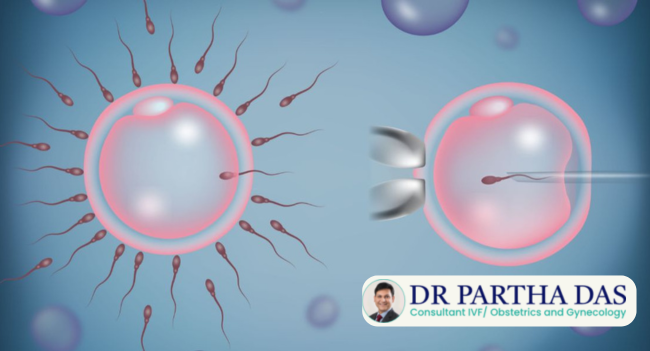
ICSI, or intracytoplasmic sperm injection, is a type of in vitro fertilization (IVF) where a single sperm is injected directly into an egg. It’s often used when there are severe male infertility issues.
The aging process significantly affects female fertility, primarily through a decrease in the quality and quantity of available eggs. This directly affects the ICSI success rate.
Here’s a general overview:
Keep in mind these are averages. Individual results can vary.
While age is a key factor, other elements influence the outcome of ICSI treatment:
The ICSI process involves several steps:
For insights into maximizing your chances after ICSI treatment,
Explore our blog: Do’s and Don’ts After ICSI Treatment
Understanding the ICSI success rate helps you make informed choices. Discuss your options with the Best fertility doctor in Dubai. They can assess your individual situation and provide personalized guidance.
For personalized advice and expert care, schedule an appointment with Dr. Partha Das, who specializes in Endocrinology, Infertility/Obstetrics, and Gynecology in Dubai.
While success rates are lower, ICSI can still be an option. Discuss your chances with a fertility specialist.
Yes, while female age is a bigger factor, male age can also impact sperm quality and fertility.
Maintaining a healthy lifestyle, addressing underlying medical conditions, and working with a reputable clinic can help.
Risks are similar to those of IVF, including multiple pregnancies and ovarian hyperstimulation syndrome.
Not necessarily. Based on your individual health status, your physician will recommend the appropriate treatment.

Dr Partha Das is a highly skilled fertility/IVF Physician specializing in Reproductive Endocrinology and Infertility. Dr Partha consults and manages patients presenting with complex gynecological, male and female infertility issues and management of recurrent miscarriage and IVF failures.